

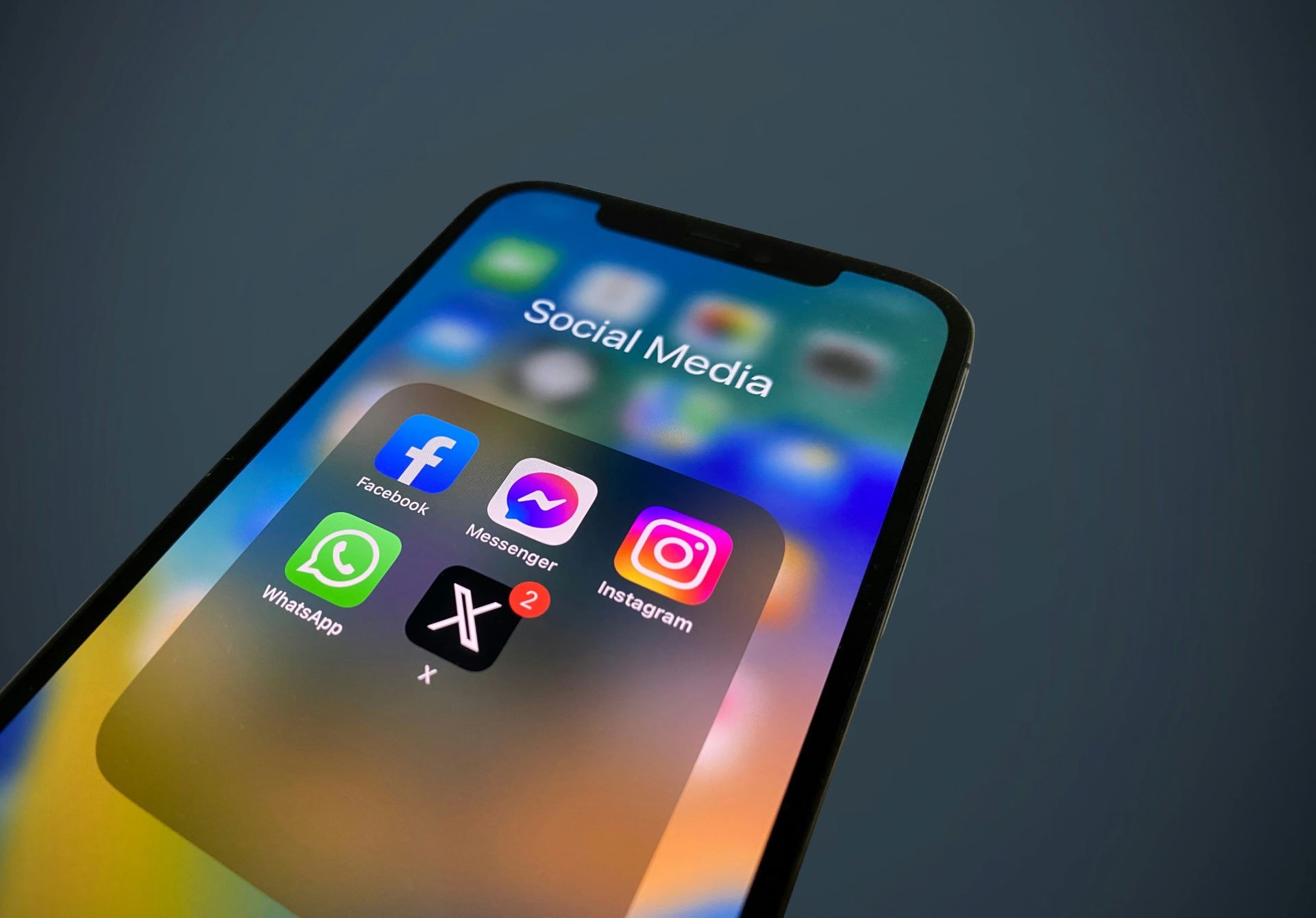
As of Wednesday, all youth under 16 in Australia will be banned from major social media platforms like TikTok, Instagram, Snapchat, YouTube, Reddit, Twitch, and X. For over a decade, whistleblowers, politicians, academics, and experts around the world have sounded the alarm about the online harms people of all ages are exposed to.
…
The ban does nothing to prepare teens to respond to digital harms. It makes no investments in education, community training, or parental support. Youth will not be magically prepared to address problematic online behaviours or content when they turn 16.
The time and resources spent on the ban could be better spent on things like providing education and support for digital citizenship, media literacy, privacy rights or resource centres.
If social media is problematic for a 13, 14 or 15 year old, it’s still likely to be problematic for a 16, 25, or 80 year old. There is no body of research that establishes 16 as a “safe threshold” for social media use and the age for healthy use can vary across genders.
…
Under the current model, companies will not be inclined to improve their reporting systems for harmful content. In fact, in response to the ban, YouTube is actually removing a feature that would allow teens to report content they find inappropriate.
Youth under 16 who find ways to use these platforms, despite the bans, will be unlikely to come forward and ask for help if things go wrong. After all, they weren’t supposed to be online in the first place.
The answer to mitigating online harms is not kicking teens offline.
…
Social media companies also need to be accountable to the ways the platforms are designed and run. These platforms are designed in ways that push certain content and elicit particular engagements.
…
I don’t feel it’s elaborate at all. I like these solutions because they are actually quite simple. It’s just signing and verifying requests using asymmetric key cryptography, techniques which are known to be robust and secure. The government never knows which web services you are verifying for, and the web services never know your identity or any more information than they need to. They don’t even learn your precise age, just that you’re over 16/18/21 whatever.
You are suggesting that a system which does not yet exist will be perfectly safe and secure. None of the ones for which I have seen actual design documents are anything like as safe as you imagine.